Industry News
Carob: The Sustainable Ingredient
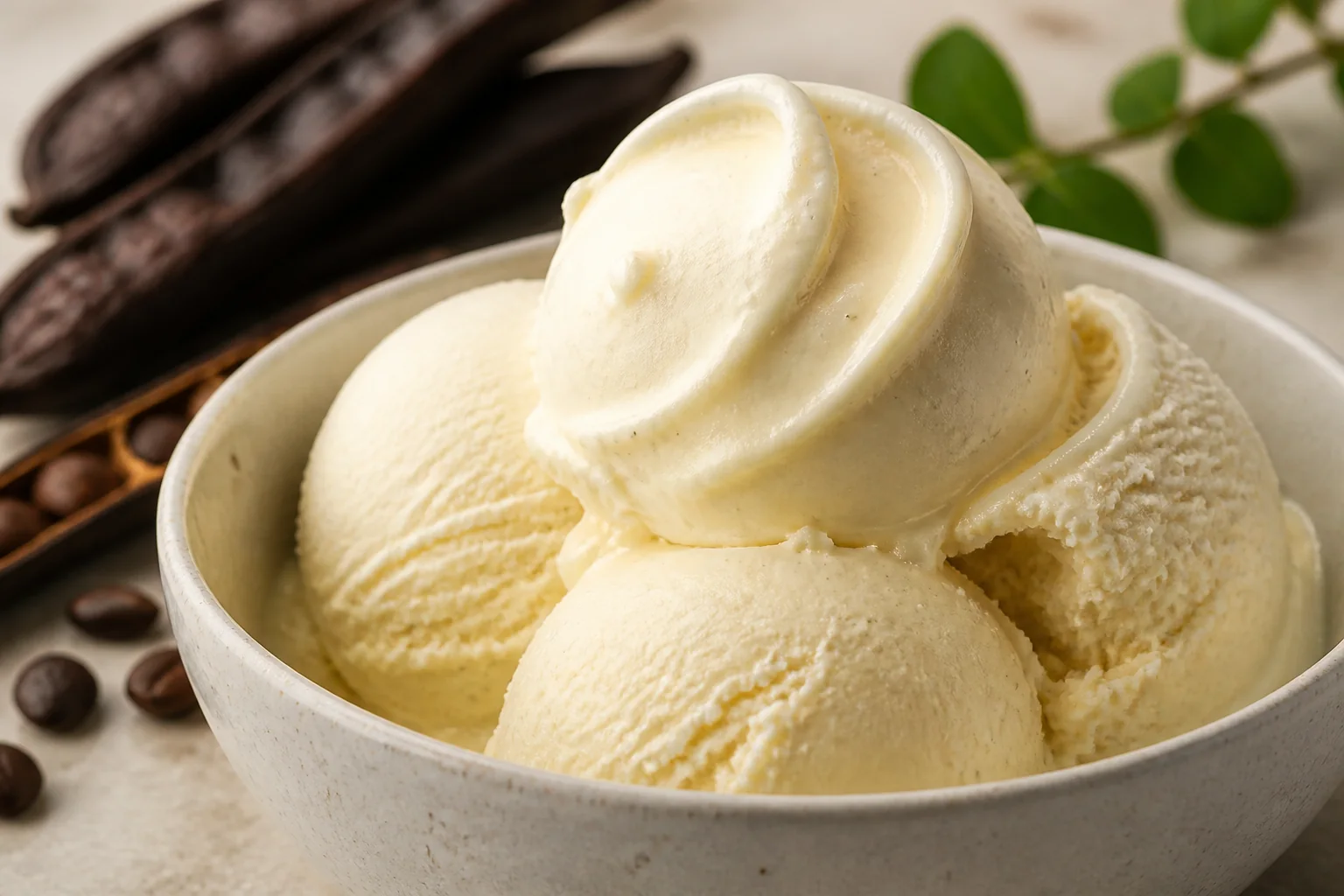
Sustainability has become a sourcing requirement for a lot of food manufacturers over the past decade. Carob has a head start here: it was sustainable long before anyone needed the word for a marketing deck.
Drought-Tolerant by Nature
The carob tree (Ceratonia siliqua) is native to the Mediterranean basin and has adapted over centuries to thrive in poor, dry soil with minimal irrigation. Compare that to a lot of the water-intensive crops used elsewhere in food ingredient production, and it's a pretty stark difference.
Minimal Processing, No Chemical Modification
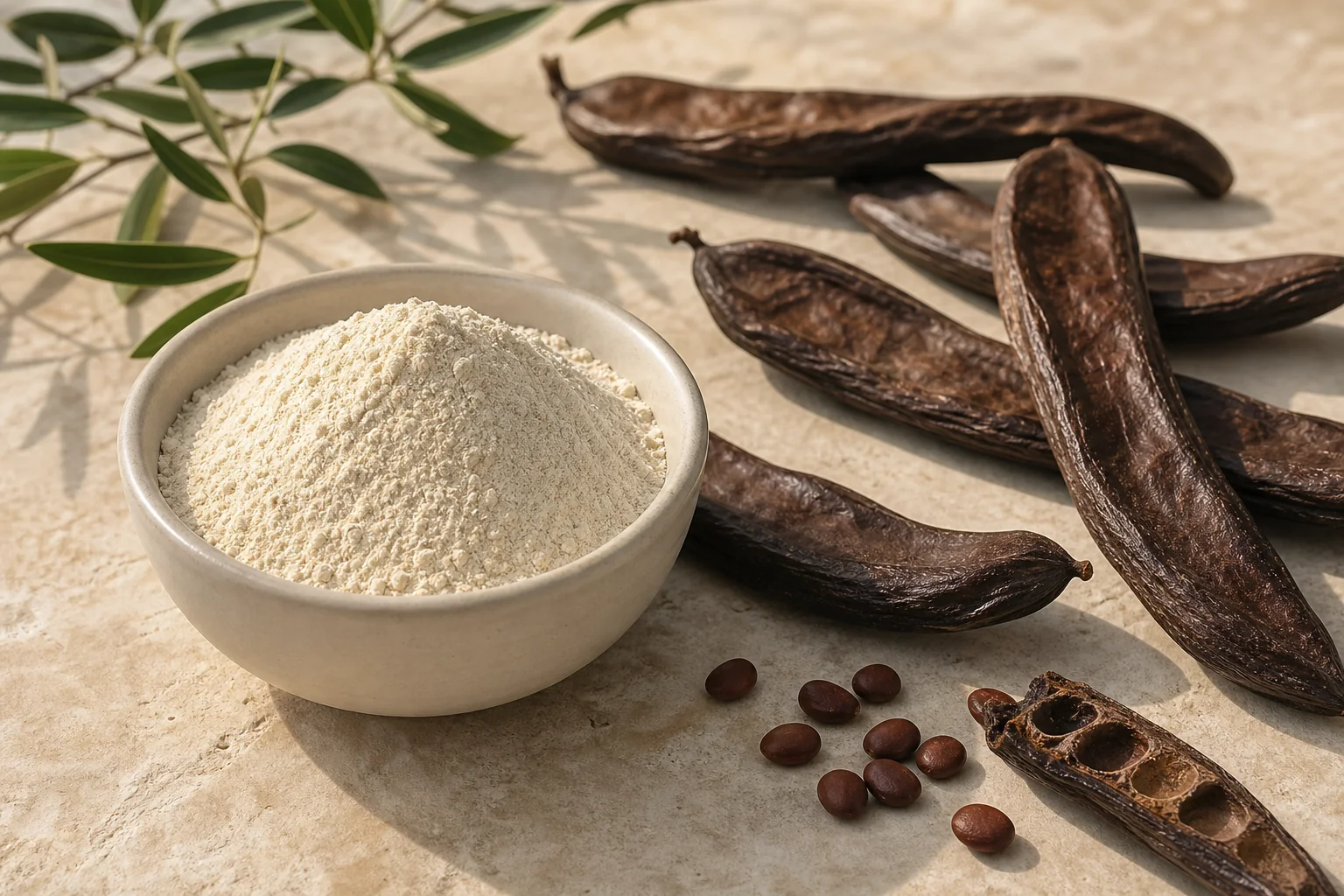
Locust Bean Gum is mechanically extracted from carob seed endosperm. There's no chemical modification of the natural polymer involved, which matters if clean-label formulation is part of what you're trying to achieve.
Full Fruit Utilization
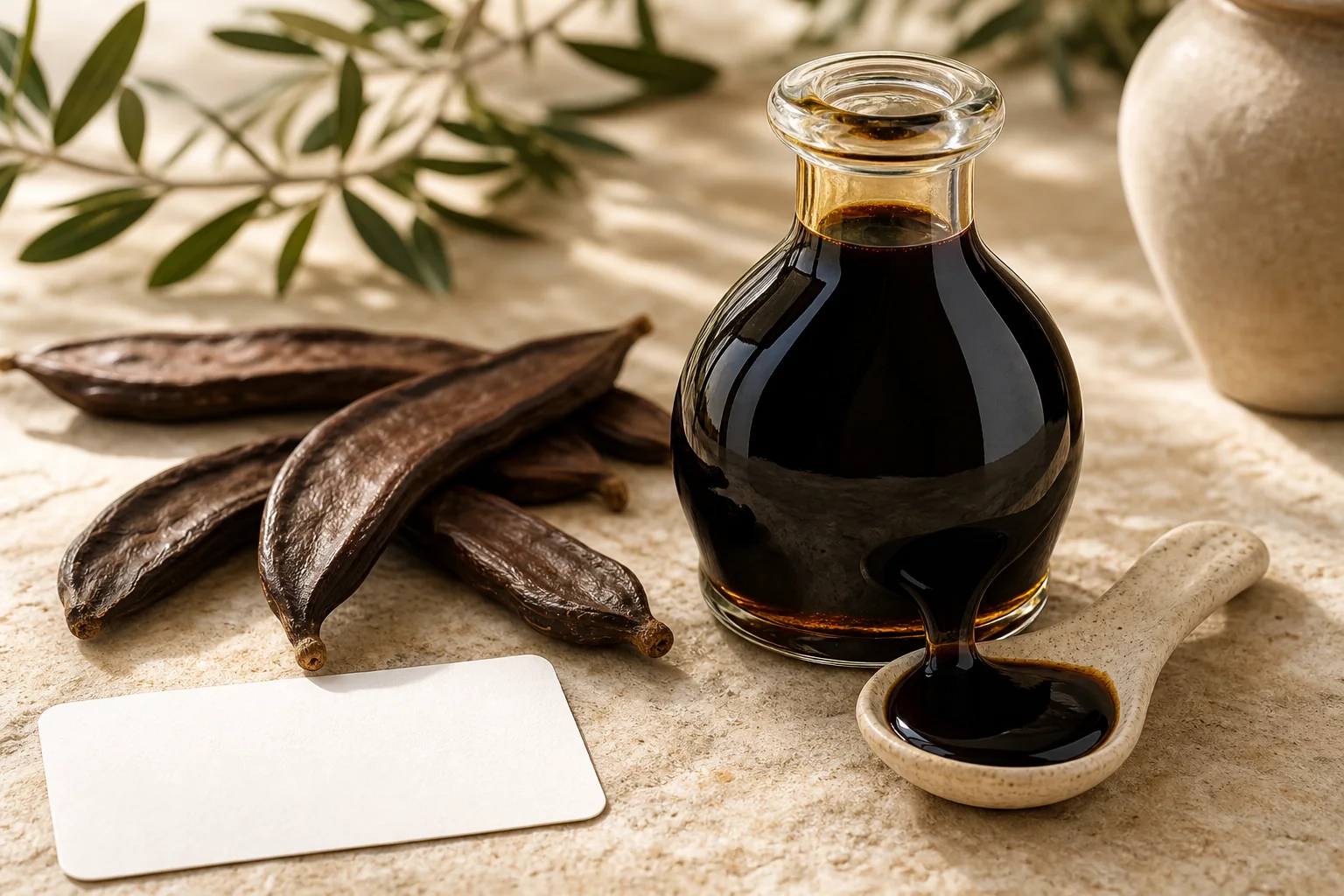
Very little goes to waste in carob processing. Seeds become Locust Bean Gum, and the surrounding pulp becomes Carob Molasses, a natural sweetener. That dual-output model keeps raw material waste down across the whole value chain.
Natural Compliance Status
LBG carries Non-GMO, Vegan and Gluten-Free status, and is registered as E410, an EU-approved natural food additive.
Learn more on our Sustainability page.
More Articles